
Does clutter tend to collect in piles around your home? You’re not alone! Counters, chairs, tables, and floors often become default drop spots, especially during busy seasons.
The issue usually isn’t laziness or lack of effort. It’s a lack of clear zones.
When items don’t have an obvious place to go, they naturally end up in piles. Creating intentional zones throughout your home replaces those piles with systems that support how you actually live.
What Is a Zone?
A zone is a clearly defined area with a specific purpose. Instead of thinking about organizing by room alone, zoning breaks a space down by function. Each zone answers a simple question: What happens here? For example:
A drop zone for bags and keys
A mail zone for incoming papers
A coffee zone in the kitchen
A homework zone in a shared space
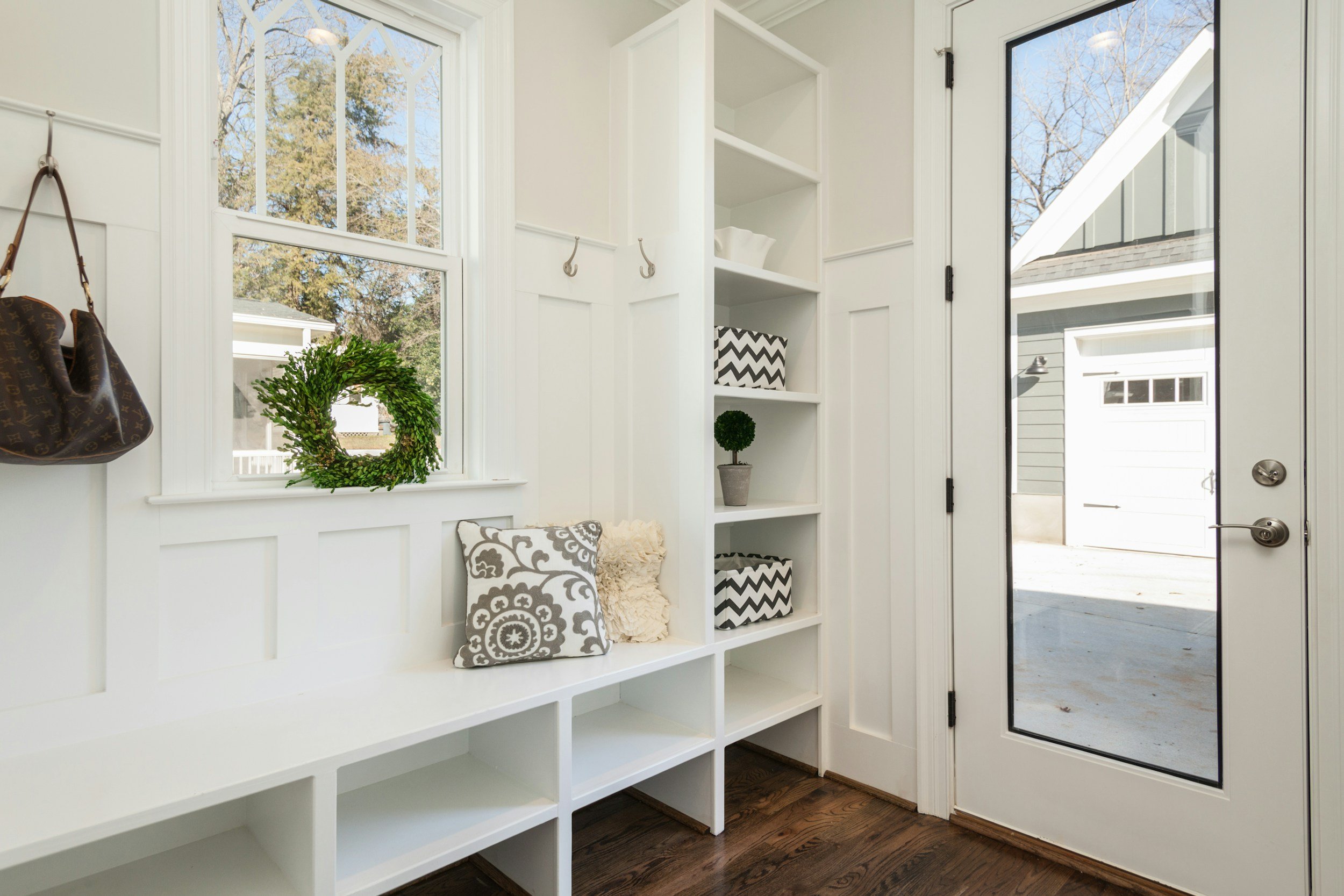
When zones are clear, items have a natural place to land. That’s what prevents piles from forming.
Why Piles Happen
Piles are often a sign that something is missing, not that something is wrong. They usually show up when:
Items don’t have a clear or convenient home
A space serves multiple purposes but isn’t clearly defined
The system requires too many steps to use
Understanding why piles form helps you replace them with zones that actually work.
How Zones Create Function That Lasts
Zones make organizing easier because they reduce decision-making.
Instead of asking “Where should this go?” every time, the answer is built into the space. Over time, this becomes second nature.
Zones work because they:
Match real routines
Keep related items together
Make putting things away faster
Support daily habits instead of fighting them
When zones are intuitive, they’re easier to maintain.
How to Start Creating Zones in Your Home
You don’t need to reorganize your entire house to start using zones. One space is enough. Start by:
Noticing where piles consistently form
Asking what activity happens there
Defining a zone that supports that activity
The goal isn’t perfection. It’s clarity.

For example, if mail always piles up on the counter, create a simple mail zone nearby with a tray or basket. If backpacks land by the door, add hooks or bins where they already land in that spot.
Keep Zones Simple and Visible
The most effective zones are easy to recognize at a glance. A few guidelines:
Use open storage when possible
Keep categories broad
Place zones close to where items are used
If a zone feels easy on your busiest days, it’s likely to stick.
Adjust Zones as Life Changes
Zones aren’t meant to be permanent.
As schedules shift, kids grow, or routines change, zones may need small adjustments. That doesn’t mean the system failed. It means it’s responding to real life.
Pay attention to friction:
Is a zone getting overcrowded?
Are items landing outside the zone?
Is something harder to put away than it should be?
Small tweaks are often all it takes to get things back on track.
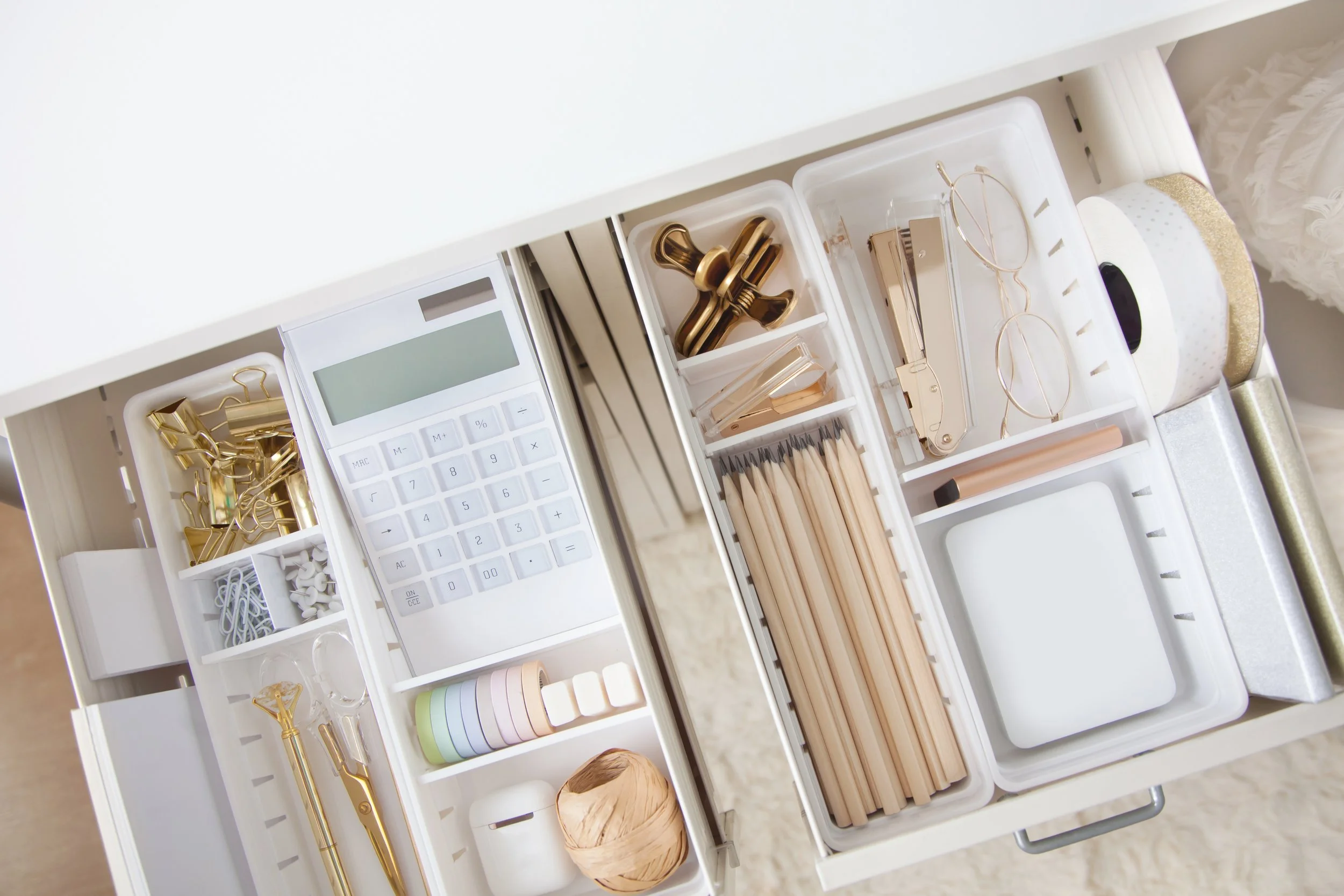
Zones Support a “Just Enough” Approach
Zoning isn’t about creating perfectly styled spaces. It’s about creating functional ones.
A zone that works well enough to support your day is doing its job, even if it doesn’t look perfect. When zones are clear, maintenance becomes simpler and clutter has fewer places to land.
When You Want Help Creating Zones That Stick
Knowing where zones are needed is one thing. Designing them to work in your space is another.
As a professional organizing company, we help create intentional zones that fit your home, your routines, and your season of life. Whether you’re tackling one problem area or designing systems throughout your home, we focus on solutions that are practical, flexible, and easy to maintain.